Company Formation
How To Import/Export Goods From Australia?
Published dateJanuary 26, 2019
Last updateAugust 29, 2023
Reading time5 minutes
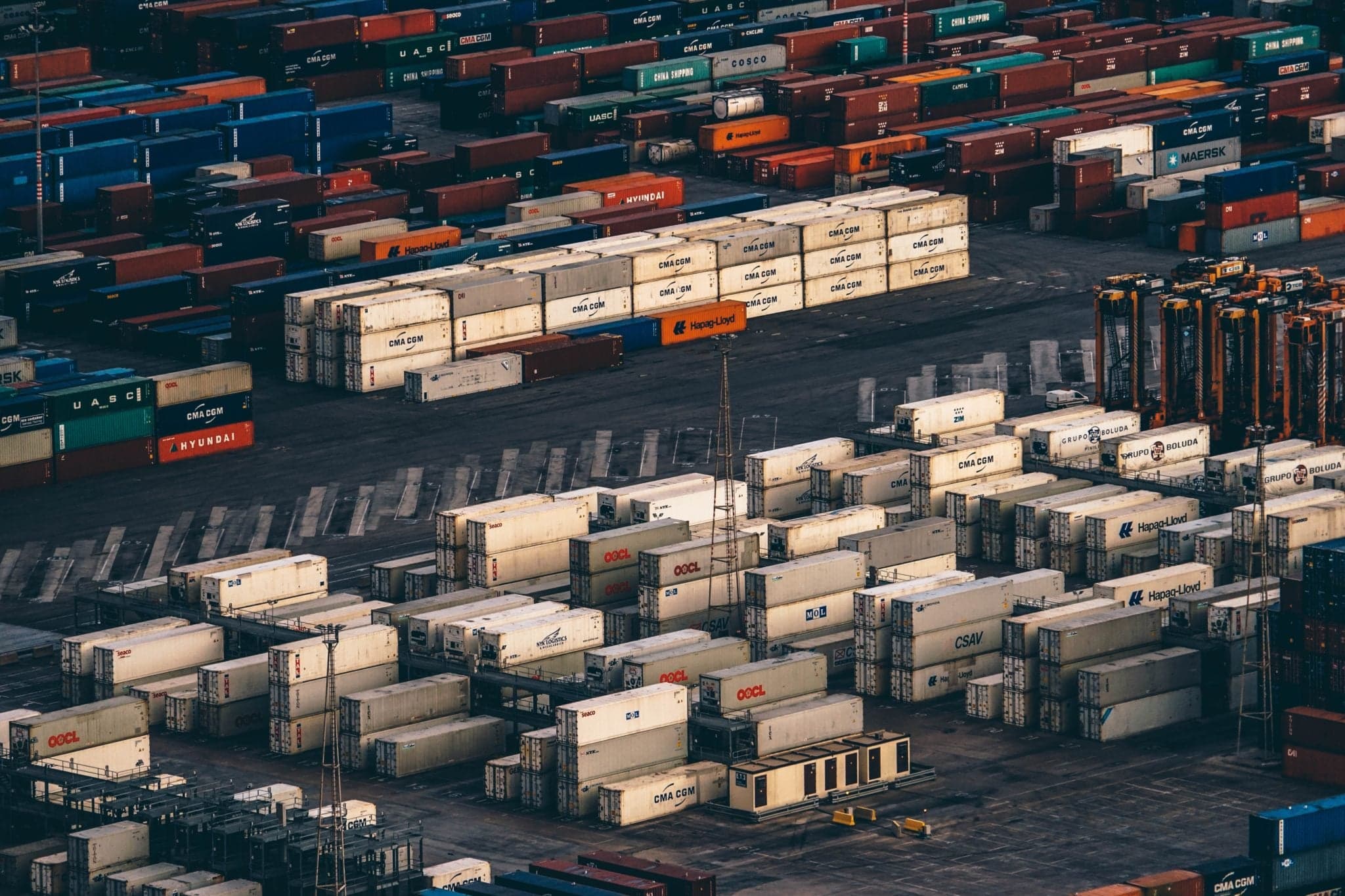
Australia is one of the world’s most stable and secure economies, worth an eye-watering US$1.323 trillion and growing year on year.
Australia is one of the world’s most stable and secure economies, worth an eye-watering US$1.323 trillion and growing year on year. In fact, Australia is one of the only countries in the world not to have struggled during the 2008 financial crisis, a sign of its independence and buoyancy. Indeed, unlike many Western markets where businesses and countries rely on one or two trading partners, Australia’s geographic position has given it a unique benefit – it has spent many years building trading relationships with countries all around the world.
As an entrepreneur considering overseas expansion, or an Australian national ready for a new venture, setting up an import and export business could be an option. The country is the 22nd largest exporter in the world, sending more than US$195 billion worth of goods to other nations in 2016. Its import market is also significant, with Australian businesses importing an enormous US$187 billion in the same period, giving the country a positive trade balance.
With plenty of natural resources, the country is a firm favorite for businesses looking to sell raw materials or value-added goods to other nations, whilst its middle-class citizenship places demand on quality goods and services. As of 2018, GDP per capita in the country measures in at US$53,799 – that’s more than Canada and the United Kingdom, and just $5,00 less than the US, signaling rising demand and encouraging foreign import investors.
Below, we offer a guide on how to import and export goods in Australia as an entrepreneur, whether you’re looking to set up your own import business in the country, or export its vast natural resources to other territories to add value and create a significant revenue stream.
Australian Import/Export – Determine A Gap In The Market

One of the first things that you should do when setting up an import or export business in the country is to look for a gap in the market. As we’ve already discussed, hundreds of billions of dollars worth of goods and services pass through the country’s ports and roads every year, and so it’s likely that someone already has a finger in your pie. Scouring the market to find a unique value proposition will give you the confidence to make an investment in the country.
As of 2019, the country’s top exports are iron ore, coal briquettes, gold, petroleum gas, and aluminum oxide, whereas imports are driven by cars, refined petrol, computers, packaged medicines, and crude petroleum – all multi-billion dollar industries in the country. Before you try to enter into one of these niches, you should measure the opportunity cost, determine the return on investment, and consider partnering with a local or international rival to cushion the blow and enable you faster entry. Going it alone could be expensive in a competitive niche.
With so many Australian business opportunities to consider, however, importing goods could be a simple way to grow. Businesses across virtually every sector require goods from abroad whether that’s in tourism, marketing, manufacturing, or finance. Spotting a gap in the market, or importing your goods from your native base, could allow you to add significant markup.
Incorporate Your Organization
Once you have determined the right avenue for your imports and exports, the next step is to work on incorporating a business in Australia. There are three types of import and export business strategies that you should consider, and each offers its own unique benefits:
- Export management firm: You could choose to launch an export or import management company, which handles everything from hiring distributors to marketing the products, and then organizing shipping logistics. These businesses tend to offer their services to other businesses and don’t own any of the goods and services coming in or out of the country, and make their money in management fees.
- Export trading company: The next import and export company type to consider is an export trading company, where you would determine the demand for products in Australia and locate companies that can export goods to you. This allows you to sell goods in the country to companies and distributors for a marked-up price.
- Import and export merchant: Finally, an import or export merchant is responsible for buying merchandise from a manufacturer in another country, and then reselling that merchandise. You could buy cheap electronics from China, for example, and resell in Australia for double the price, or source quality Australian wines to sell in the United Kingdom for an inflated price. The possibilities are endless with this method.
Apply for Import or Export Permits

All goods that are imported into Australia must be cleared through the Australian Border Force, and there are clearance requirements and a list of prohibited goods. It’s important to get to grips with the Australian import system before getting started, to ensure that your goods are not rejected when they arrive in the country. Some goods categories will require permits and may have costs attached, such as clearance fees, customs duty, and goods and services tax (GST), so this should be factored into your running costs and profit margins.
Exporting, on the other hand, can be a time-consuming process, and most businesses are expected to create an export plan. The Department of Home Affairs will clear your goods for export, and you must consider things such as legal issues, quarantine, shopping and foreign exchange as part of your exporting process. For local companies, the government may be able to offer assistance through its Efic’s Small Business Export Loan, offering money to help you get your export contract off the ground if you’re struggling to get the numbers to work.
Get Started with Biz Latin Hub
With so many commercial opportunities for importing and exporting goods to and from Australia, there has never been a better time to become an entrepreneur. With low startup costs and the potential for significant returns, you simply need the right sales and marketing strategy to make a success of an international venture, so why not get started today?
Should you be in need of commercial representation, visa processing, accounting, and tax services, or recruitment and legal, don’t hesitate to contact the experts at Biz Latin Hub Australia.
Share this guide



Let’s talk about your expansion
Tell us which markets you’re entering and what you need handled. A local specialist will map out your options — no obligation.
Trusted by teams expanding across Latin America and the Caribbean
