Company Formation
How to Register an Airline Carrier in Colombia
Published dateJuly 16, 2019
Last updateAugust 14, 2024
Reading time9 minutes
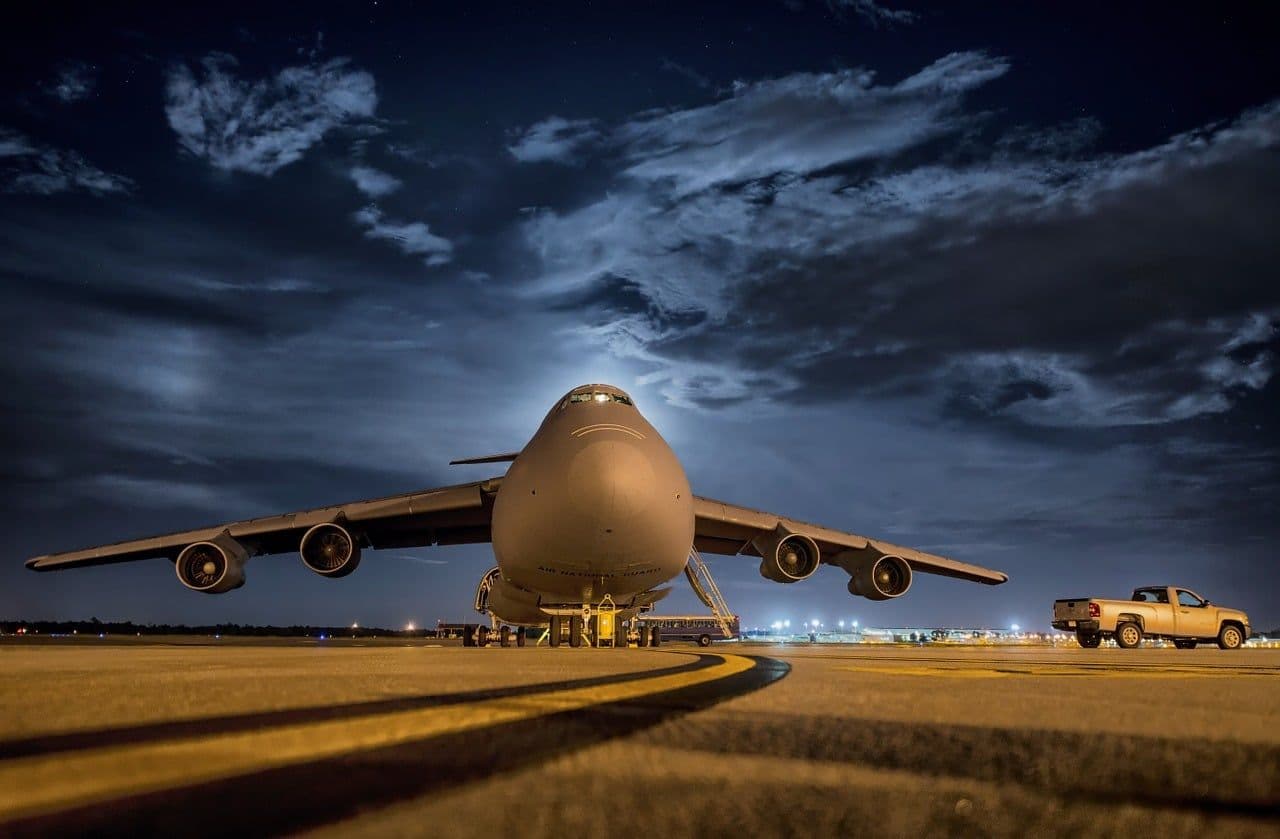
As the world becomes ever more connected, transporting people and products becomes ever more important. Colombia, one of Latin America’s fastest growing economies, is a natural hub and crossover point for airline carrier services and companies making now the time to register an a…
As the world becomes ever more connected, transporting people and products becomes ever more important. Colombia, one of Latin America’s fastest growing economies, is a natural hub and crossover point for airline carrier services and companies making now the time to register an airline carrier in Colombia.
The country is ripe with opportunities for airline carrier companies, with a steady flow economic activity and growth. Foreign and national businesses importing and exporting products continue to search the market for aviation partners, leading to increased interest in the process to register an airline carrier in Colombia.
While the market is rich and lucrative, there are some requirements to register an airline in Colombia that you should be aware of. We give an overview of the different authoritative agencies and steps involved in ultimately creating a legal company in Colombia.
Connect Colombia with the rest of the world

Colombia remains a mid table country in the amount it exports globally. While the country has seen rapid economic improvement and increase in investment, there is still a great amount of potential. Through increased trade routes, layover stops, and more tourist traffic, Colombia could be one of Latin America’s most powerful economies in the near future.
Already, the country exports large amounts of crude oil, coffee, and precious minerals. Increasing globalization and connectivity within Colombia can only improve these trade figures. As foreigners recognize the potential within Colombia, this will continue to happen. Since the early 2000s, foreign investment in the country has increased drastically, bringing wealth and jobs to Colombia. As a result, poverty rates have continued decreasing while average annual GDP growth rate has steadily gone up.
Requirements to register an airline carrier in Colombia
1. Register an Airline Carrier in Colombia – A Foreign Branch

The first step in the process of setting up an airline carrier business in Colombia is to register a foreign branch. In Colombia this requires a certificate of incorporation and legal representation from the original country of incorporation. Additionally, the company must provide a copy of the company’s bylaws and approve a Power of Attorney (POA) to act on the company’s behalf. It must also have a comprehensive document stating the company headquarters’ address, the monetary amount allocated to the new branch, and the business industry of the company.
After the company has gathered these documents and filed with the Colombian government, a representative must sign a formalized public document created by the government agency. Once signed, the company will have created a unique tax registry with the country’s tax office, so as to obtain a unique taxpayer identification number (NIT) for the branch. Once the NIT is secured, a company representative must file the company ledgers and books with Colombia’s Chamber of Commerce.
The final steps of registering a foreign branch involve opening a bank account in Colombia. Usually, new branches can bank with whichever company they choose. However, for airline carriers, there are specific guidelines for choosing a bank. These regulations are set by the International Air Transport Association (IATA) and regulated by the Cargo Accounts Settlement Systems (CASS). A more detailed description of the guidelines follows.
2. Register with IATA
Before starting operations in Colombia, any airline company must first register with the IATA. IATA is the organization which manages and regulates all air traffic and the companies around the world. Currently, it works with and manages 290 different member airline carriers worldwide.
Before registering with IATA, the branch must first register and accept the terms of the IATA Operational Safety Audit (IOSA). This international organization provides standardized means for monitoring and evaluating airlines’ operational and control systems. Moreover, membership to the organization provides a variety of benefits like fewer auditing processes and IATA quality assurance.
Once the branch is approved through IOSA, it can then proceed with its IATA membership application. When approved, there are some costs associated with maintaining a IATA membership. Fixed fees sum up to over US$13,000. Additionally, annual variable fees can add to the total membership cost.
3. Understanding Cargo Accounts Settlement Systems (CASS)
The Cargo Accounts Settlement Systems – CASS is an offshoot of IATA. This organization works specifically with the financial matters related to member airlines. Aside from the initial fee, there is no extra cost to associate with CASS, as it is included in the IATA membership. There are a host of benefits and advantages companies recognize by using the system:
- Streamlined invoicing and sales revenue processing
- Neutral settlement office
- Flexibility of data management through specialized online software
- Financial control and improved cash flows.
Once a branch opening in Colombia has an IATA membership and has implemented the CASS system, it must contact CASS to get clearance to operate in the country. To do this it must have a bank account in the country, or a foreign bank account in the country’s respective currency. The only Colombian branch partnered with IATA is Colpatria, should the company choose to work with a local bank. No other Colombian banks comply with the requirements and regulations of IATA and CASS.
4. Apply for your operations licenses as an airline in Colombia

Aerocivil is the national organization in Colombia that oversees aviation guidelines. As a branch of the Ministry of Transportation, Aerocivil controls, regulates, and monitors all air traffic and regulations related to airlines that fly through or to Colombia.
The organization outlines a series of objectives to improve the functionality of air traffic in Colombia. Aerocivil grants licenses and permits for the following:
- Licenses to Aeronautical Personnel
- Certification of Aeronautical Products
- Aeromedical Certification
- Certification of Air Transport Organizations
- Airworthiness Certification
- Aerodrome Certification
- Certification of Aeronautical Training Centers
- Workshop Certification
- Simulator Qualification
Technical requirements for your operations are available online in Spanish. As a foreign branch, a detailed plan of decided routes, frequency, overflies, intended operation zone, registrations and aircraft insurance must be turned in to Aerocivil. After reviewing the document, Aerocivil should approve the branch and its operations.
5. Airworthiness approval
Obtaining an airworthiness certificate is one of the essential steps in getting operational approval for an airline carrier in Colombia. A company applying for the certificate must go through a number of steps. First, the company must complete the ‘pre-order’ phase. During this time, Aerocivil recommends that the company contact them and notify them of their future application so that the organization knows to look out for it. This also gives the company a chance to familiarize itself with the application process.
Following this is the ‘planning stage.’ During this stage, Aerocivil appoints a representative and their team to generate a personalized plan for the applicant. First, the team analyzes the design and functionality of the aircrafts, making sure they comply with safety regulations. Approval grants the company the ‘basis of certification’ for airworthiness. This certificate creates the standards upon which the airworthiness certificate is constructed.
Next, the company goes through the ‘determination of compliance with standards’ phase. Here, Aerocivil reviews the substantiation reports presented by the company, completes inspections, and tests the equipment. Should the company meet the standards and guidelines outlined by Aerocivil, it can then move on to the next phase.
Finally, the company enters the ‘post certification’ phase. After obtaining the airworthiness certificate, the company must keep up with data management, remain in compliance with regulations, and submit updated flight records and paths. Achieving this is crucial to staying in Aerocivil’s good graces and having continued success in airline operations.
FAQs on registering an airline carrier in Colombia
Biz Latin Hub can assist you with registering a cargo airline in Colombia
At Biz Latin Hub, we offer comprehensive market entry and back-office solutions in Latin America and the Caribbean.
We specialize in a range of services, including registering an airline in Colombia, as well as hiring and PEO, accounting and taxation, company incorporation, and corporate legal advice.
Our offices are located in major cities across the region. In addition, we have established partnerships in numerous other markets, providing our clients with an extensive network of resources. This extensive coverage makes us well-equipped to support market entry and cross-border operations across multiple countries.
Get in touch with us today to learn more about our services and how we can assist you with your business endeavors in Latin America and the Caribbean.

Share this guide




Let’s talk about your expansion
Tell us which markets you’re entering and what you need handled. A local specialist will map out your options — no obligation.
Trusted by teams expanding across Latin America and the Caribbean
