Tax & Accounting
International Trade in El Salvador: Import – Export Legal Process and Taxes
Published dateOctober 2, 2018
Last updateDecember 1, 2023
Reading time6 minutes
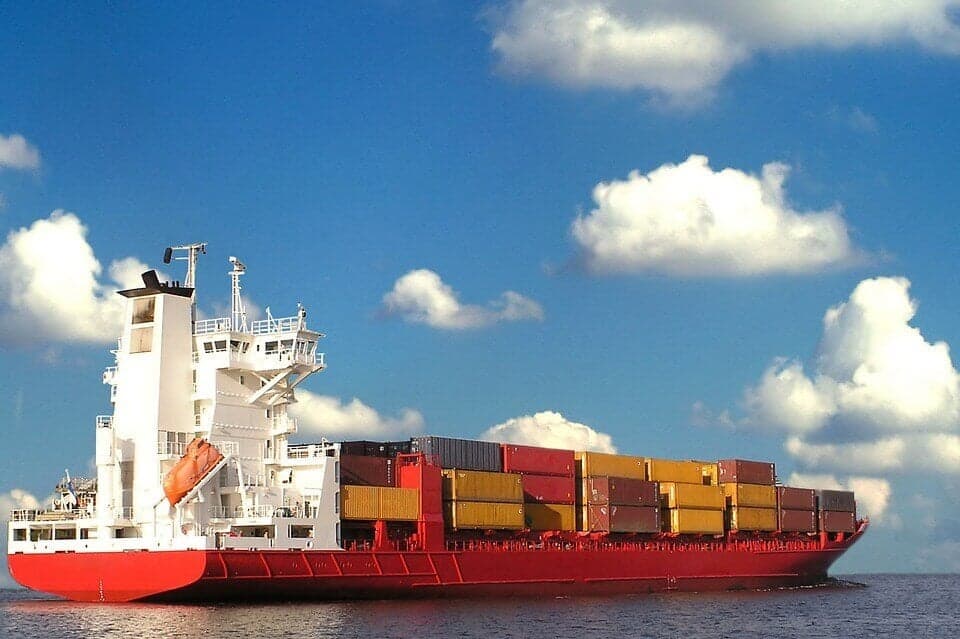
In recent years, El Salvador has been positioning itself as a new and attractive destination for foreign investors to conduct trade. Determined not to be left behind, the tiny Central American country has been quietly opening its doors to foreign trade.
In recent years, El Salvador has been positioning itself as a new and attractive destination for foreign investors to conduct trade. Determined not to be left behind, the tiny Central American country has been quietly opening its doors to foreign trade. This is contributing significantly to its emerging economy.
This article will show lay out some of the advantages of investing in El Salvador for your import and export needs, as well the important tax and legal considerations.
Import / Export – The growth of International Trade in El Salvador

In the last decade, El Salvador has experienced a positive shift in the way it conducts trade abroad. While the growth has been slow, it has been stable and consistently positive year after year. According to the annual report by the Central Reserve Bank of El Salvador, exports increased by 6.3% in 2017 since the previous year. The export of green coffee beans (raw, unroasted coffee) grew 10.6%. Due to a great harvest the past year, sugar exports grew a staggering 49.2%. And the export of information and communication technology (ICT) products increased by 10.6%.
El Salvador also experienced growth on the import side of trade, with imports growing 7.8% last year. There was growth in all sectors of the economy, with consumer goods increasing 3.4%, intermediate goods increasing 10.7%, capital goods up 1.8%, and garment factories (maquilas in Spanish) growing 39.6%. While the country’s imports increased in value, the volume of goods actually decreased. This decrease in volume is due in part to El Salvador carrying out projects focusing on producing more goods and services for itself. This, in turn, is reducing some of the need and demand to import.
Import Taxes
Imports of goods and services in El Salvador are subject to the payment of various taxes, the first of which is Import Tariffs (Derechos Arancelarios a la Importación or DAI in Spanish). The amount owed varies considerably depending on the merchandise being imported (from 0% up to 40%). The breakdown of DAI and the corresponding products is as follows:
- DAI of 0% to 5% Live animals (purebred breeders), grains or seeds for cultivation, fuels, some gases, some metals, some vitamins, some medicines, vaccines, dyes, inks, reagents, wood pastes, paper, wires, some tools, metal articles, motors, machinery and industrial devices, tractors, and boats.
- DAI of 5% to 15% Live animals (non-purebred), meats, fruits, vegetables, cereals, raw fats, oils, extracts and juices, vegetables, cement, lime (calcium oxide), ice cream, perfumes, cosmetics, candles, wax, adhesives, films for development, liquids for use in vehicles, plastic articles, rubber, tires, leather, wood, brushes, paper, accounting books, albums, calendars, and cards
- DAI of 20% Milk cream, fermented beverages, beers, three-wheelers, and four-wheelers.
- DAI of 25% Used and new vehicles, depending on the type and characteristics of the engine.
- DAI of 30% Vehicles with engines above 2000 CC, cigarettes, liquors, gin, boneless meat, dairy pastes, snow vehicles, firearms, compressed-air weapons, ammunition and swords.
- DAI of 40% denatured alcohol, rice, cheese, sugar, yogurt, and hams.
In addition to DAI, there are a couple other taxes that you should consider. A Value Added Tax (VAT) of 13% is added, in addition to a Free on Board (FOB) tax that totals 1.25% for goods from the Central American region and 1.5% if the goods are from outside the region.
Tax Exemptions

Although the payment of taxes may seem overwhelming, there are many exemptions available. These exemptions vary, depending upon the type of merchandise, its origin, the type of company, and the destination of the goods. The following exemptions are currently available in El Salvador:
- Exports As a general rule, exports are exempt from paying taxes of any kind. This depends on the type of merchandise being exported.
- Products originating from Central America Covered under the Central American Integration Treaty, certain products are exempt from paying DAI. The Central American Customs Form (Formulario Aduanero Único Centroamericano or FAUCA in Spanish) covers these products.
- Certain types of import companies, including: Printing companies Free Zone Users (Usuarios de Zonas Francas), which are considered to be outside of the national customs area (in the context of imports and exports) and thus are subject to special tax considerations Active Improvement Deposits (Depósitos para Perfeccionamiento Activo), which are subject to a special customs process where goods that will be re-exported are received with a suspension of duties and taxes Duty-Free Stores (Tiendas libres)
- Tourism projects Investments in projects for tourism or of natural interest that exceed USD$50,000 are exempt from paying DAI on certain products. These include equipment and accessories, machinery, vehicles, construction materials, and other goods that directly benefit the project.
Legal process and requirements to import and export in El Salvador
If you are thinking of establishing a company dedicated to the imports and exports of products and services in El Salvador, here are some legal considerations to take into account.
For import companies, you must:
- Register with your Tax Identification Number (Numero de Identificación Tributaria or NIT) as importers with the General Directorate of Customs (Dirección General de Aduanas).
- Electronically communicate your Declaration of Merchandise (DM) or FAUCA to the Customs office, notifying them of your market entrance.
- Pay your duties and taxes when applicable. This can be done electronically, in authorized banks or in the authorized Customs office.
- Physically turn in to the corresponding customs offices your DM or FAUCA with the following documentation: the commercial invoice; transportation documents, and any licenses, permits, certificates or other documents necessary to comply with non-tariff restrictions
For companies exporting from El Salvador, you need to:
- Register with a Tax Identification Number (NIT) as exporters before the General Directorate of Customs as well as with the Integrated Foreign Trade System (Sistema Integrado de Comercio Exterior or SICEX). Depending on the type of merchandise to be exported (coffee, for example), additional registrations may be required.
- Verify goods to be shipped and the country of destination. Additionally, you must have all licenses, certificates or special permits needed for the commercialization of your product.
- Carry out the export operation through the FAUCA or the Declaration of Merchandise (DM). Depending on the country the merchandise is shipped to, either of the two may be used.
- Confirm and authorize the entry of the products with the customs office in the destination country.
Next steps to begin trading in El Salvador…
El Salvador is a stable and constantly growing economy and is becoming a new destination for those companies with a desire to invest and do business in Central America. However, import-export companies frequently face difficulties entering El Salvador due to the slightly complex regulations and requirements. This makes working with a local partner all the more important.
At Biz Latin Hub we have teams specializing in a range of different services, including legal and tax processes, to help advise local and international companies navigate their entry into the market and develop their commercial activities.
To receive more personalized information or answer any questions, please contact us today.
To learn more about doing business in Latin America and how Biz Latin Hub can help, check out this video!
Share this guide
More guides for El Salvador

Compliance and SecurityDoing Business in El Salvador in 2025 – Market Entry Guide, Legal Setup & Investment Insights
Tax & AccountingAuditor in El Salvador: Why Do You Need an Auditor For Your Company?

Tax & AccountingEl Salvador Tech Industry: No Taxes on Software, Hardware, and AI Development
Employment2025 Hiring Trends in El Salvador – Recruitment, EOR & Entity Setup Services
Let’s talk about your expansion
Tell us which markets you’re entering and what you need handled. A local specialist will map out your options — no obligation.
Trusted by teams expanding across Latin America and the Caribbean
