Company Formation
5 Tips for US Companies Doing Business in Guatemala
Published dateMay 15, 2020
Last updateOctober 1, 2024
Reading time4 minutes
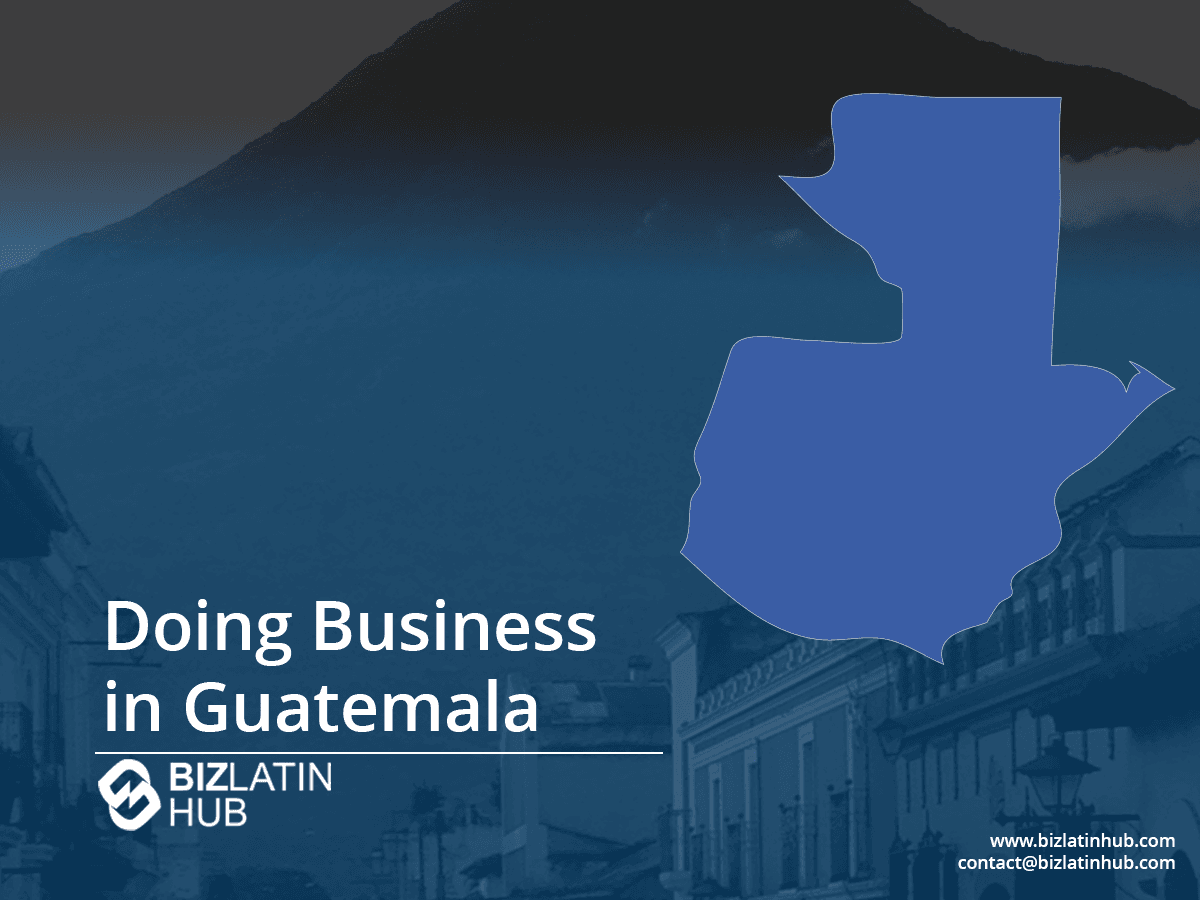
Guatemala’s size and economic potential offers one of the best options for business expansion into Central America. It is the third-largest country in Central America, with just over 17 million inhabitants. It’s a great time to consider doing business in Guatemala.
Guatemala’s size and economic potential offers one of the best options for business expansion into Central America. It is the third-largest country in Central America, with just over 17 million inhabitants. It’s a great time to consider doing business in Guatemala.
If you’re considering doing business in Guatemala, the official currency is the Quetzal, and its strength offers a significant advantage when expanding into the country from abroad. The best way to do this is almost always via company formation in Guatemala in order to establish a presence in the country. However, you should be aware of the differences in business culture.
As a US company doing business in Guatemala, use these 5 tips to optimize your experience and achieve long term success. Biz Latin Hub can help make your market entry seamless and then allow you to stay compliant and fully above board throughout your time in the country.

1. Find talented staff
Guatemala is rich in cultural history and custom. The country’s workforce is well-educated and open to new opportunities. The government holds a positive predisposition to collaborate with foreign businesses.
In addition, it is important to take into account that a large proportion of Guatemalan nationals manage a fluent level of English. Around 70% of the population in the country is under 30 years old and in the last decades, the level of people speaking English has increased significantly.
When hiring in Guatemala, rest assured in the availability of enthusiastic, qualified staff. Foreign employers who are not familiar with the local employment regulations and labor market may choose to outsource their hiring needs through a Professional Employer Organization (PEO) in Guatemala.
2. Pick your location strategically

As a country, Guatemala is located in a strategically favourable position, as businesses and traveling executives can more easily access Northern, Central, and Southern American markets.
Additionally, operation costs for business are relatively lower compared to those in Northern and Southern regions, creating potential for lower overheads and higher margins.
Within Guatemala itself, it is also important to think about your business location to achieve success.
Guatemala City, where the majority of businesses in the country are developed, was recognized as the “Best city to do business according to cost-effectiveness” by FDI American Cities of the Future 2019/2020.
The costs of doing business in this city are optimal, and US companies doing business in Guatemala should take note of the cost advantages of operating out of this city.
3. Seek support from local experts and institutions
Currently, the United States maintains a National Export initiative with Guatemala which is focused on doubling exports to the Central American country. The US Embassy in Guatemala provides additional support for companies doing business in the country, including through the medium of this initiative.
Third party market entry, legal and accounting providers can support US companies unfamiliar with their compliance obligations to operate in Guatemala.
Local institutions and experts can also provide important data to consider the sectors with the greatest commercial opportunity, legal considerations, government measures, and reports on updated economic data useful to US companies doing business in Guatemala.
4. Preference for American products/brands
For US companies doing business in Guatemala, their origin lends them a reputational advantage in the local and regional market. The US brand brings new alternatives and options to local markets, and consumers hold Northern American products and services in high regards. Also, consider that local governments use products and services from the United States because they are considered reliable due to their warranties, high standards of customer service, and maintenance plans.
US companies should place great emphasis on promoting their brand and story to support their business development in Guatemala.
5. Make use of trade agreements

Guatemala holds a number of trade agreements helpful to trading businesses operating in and out of Guatemala. Importantly, Guatemala has secured trade deals with Mexico and Colombia, two of the largest economies in Latin America.
Locally, Guatemala is a signatory member of the Northern Triangle Free Trade Agreement. In this agreement, Guatemala’s government cooperates with its counterparts in neighbouring Honduras and El Salvador to promote greater economic integration among them.
Further abroad, Guatemala has agreements with Taiwan and the European Free Trade Association to support export and import flows between countries. This diverse portfolio of trade deals offers extra support and reach for US companies in Guatemala who want to explore future opportunities in neighbouring and globally significant markets.
Biz Latin Hub can help with doing business in Guatemala
When operating in new Central American country, having a trusted local partner can help you in your growth and business success. At Biz Latin Hub, we offer a range of market entry and back-office services designed to help you understand the local market and navigate through its complexities. To ensure you for a successful international expansion.
In Guatemala, our Biz Latin Hub team has personnel trained exclusively in all areas related to the implementation of new businesses in different industries. If you are interested in learning more about this topic and obtaining advice according to your needs and expectations. Contact us now, or visit our website at bizlatinhub.com. We will be very happy to assist you with personalized services focused on solving your possible conflicts and maximizing your benefits.
Learn more about our team and expert authors.

Share this guide
More guides for Guatemala
Employment2025 Hiring Guide for Businesses in Guatemala – Recruitment, EOR & Entity Setup Services
Company FormationA Guide to an Entity Health Check in Guatemala

Company FormationPresidential Elections in Guatemala: How could it affect your business?

EmploymentDiscover Why Guatemala is the Ultimate Location for Call Centers and Finding Talent
Let’s talk about your expansion
Tell us which markets you’re entering and what you need handled. A local specialist will map out your options — no obligation.
Trusted by teams expanding across Latin America and the Caribbean
