Company Formation
Aviation: How to Register a Cargo Airline in Peru
Published dateJune 25, 2019
Last updateAugust 14, 2024
Reading time6 minutes
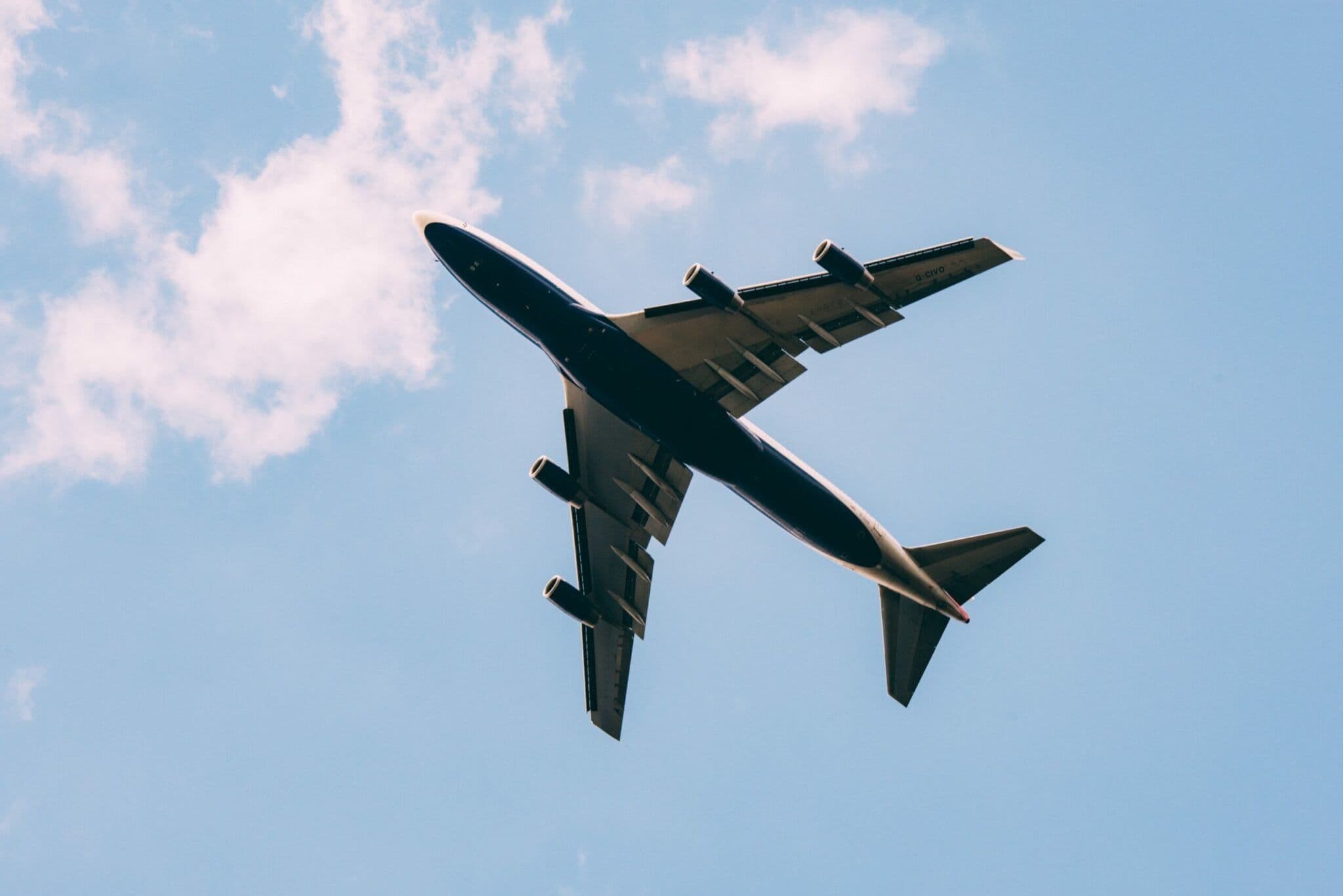
Peru is building a name for itself as one of Latin America’s most attractive emerging markets to do business. It was one of the region’s fastest-growing economies between 2002-2013, averaging 6.1% annual growth during this period.
Peru is building a name for itself as one of Latin America’s most attractive emerging markets to do business. It was one of the region’s fastest-growing economies between 2002-2013, averaging 6.1% annual growth during this period. Over the medium term, growth is expected to sit at a healthy 4%. Increased international connectivity, public investment and business confidence keeps investors’ attention on Peru. Registering a cargo airline in Peru might be your business’ next best step.
The country’s booming tourism industry and accessibility by foreign business are of high significance to the government. Its viability as a Latin American business destination offers a new hoard of opportunities for a cargo airline in Peru to provide for.
Biz Latin Hub can help you register or start a cargo airline in Peru or elsewhere in the region, with our 18 dedicated offices across Latin America and the Caribbean. Our array of back office services are designed to help your company enter the market, from how to set up a branch in Peru to ongoing accountancy and legal support.
Reason for Doing Business – International connectivity
Peru’s growing economy is luring people and businesses into its attractive industries. Free Trade Agreements like that with Australia, PAFTA, build Peru’s connectivity in bilateral and multilateral relations. As countries look to diversify their trade portfolios, Peru’s opportunities for additional trade deals will further integrate its market into global trading channels.
An increasingly connected Peru means a greater flow of people and goods to and from its shores. Developing its direct flight or cargo-carrying capacity helps Peru deliver its hotly-demanded commodities and tourism experiences to the rest of the world.
Additionally, global connectivity means a greater subscription to international standards of business. More consistency and internationally-accepted compliance measures build investor confidence in Peru, and give foreign businesses a greater sense of security and predictability in their commercial operations.

Registering a Cargo Airline in Peru – Peru’s General Directorate of Civil Aeronautics
The Peruvian authority responsible for authorizing new airline carriers is the General Directorate of Civil Aeronautics (Direccion General de Aeronautica Civil or DGAC). DGAC is part of the Ministry of Transport and Communications.
DGAC grants administrative authorizations and/or certificates to carry out civil aviation activities in the following areas:
- Aerodromes
- Accredited Cargo Agents
- Register of Remote Piloted Aircraft Systems (RPAS)
- Operators of RAP 139 certified aerodromes
- Specialized Airport Services Companies
- Foreign Airlines.
You can request information from DGAC regarding technical requirements for your airline. Organize a meeting with an expert inspector from DGAC to do this. The specialist will confirm a maximum of 30 dates during the working week to schedule this meeting.
Understanding the International Air Transport Association
The International Air Transport Association (IATA) is a worldwide association that supports and represents 290 airlines. This is around 82% of global air traffic.
Airlines have been able to link their networks to form a global system of public services, despite differences in languages, currencies, legislation, and systems of measures.
IATA simplifies the travel and transportation processes and serves as an intermediary between the passenger, the cargo agents, and the airlines.
Its main mission is to ensure that global traffic of airlines is carried out with maximum speed, safety, and efficiency, in optimal economic conditions.
Step 1: Form a company in Peru
Before you register a cargo airline in Peru, you must first form the company. Though Peru offers several legal entities for businesses to choose from, local law requires airline companies to establish a Foreign Branch Office.
The branch, based in Peru, will have its own tax identification but remain connected with the parent company for your airline. Known as a ‘Sucursal’ in Peru, isn’t legally independent from the parent company. Therefore, your parent company can provide support and investments to the branch as needed. With a branch, you don’t need to invest social capital.
Your Sucursal must have its own branch manager who resides in Peru and can represent the company locally. A corporate tax of 29.5% applies to foreign company branches in Peru.
Peruvian law requires that your parent company is registered with the National Superintendency of Public Registries (SUNARP).
Note the requirements by Peruvian law for hiring employees. This includes special conditions for hiring foreign staff members.
Step 2: Action Law – Apply for a flight license
Once you’ve registered your branch, you’ll need to apply for a flight license. This license confirms your fitness to fly and planned flight schedule.
To apply for a flight license, you must provide the following details:
- Planned routes of flight
- Planned frequency of flight
- Your intended operation zones
- The type of aircraft you will use
The DGAC have the authority to decide the period of validity for your flight license. They’ll need you to demonstrate that your company and branch can safely conduct the operations proposed in your plan. 1,130 1,960
You must obtain this license within 30 working days. The processing fee to apply for a flight license ranges from S/.497 Peruvian Soles to S/.3266 Peruvian Soles (approximately USD$150-980).

Step 3: Apply for an operations license
For this step, you need to outline the nature of your operations. What is the purpose of the flights? Will your airline be primarily focussed on cargo transportation, or carrying passengers?
You’ll need to provide information and technical documentation about the parent company to DGAC. Certifications and other formal documents must be translated to Spanish.
The processing fee for your operations license is approximately S/.3266 Peruvian Soles, or USD$980.
Step 4: CASS Affiliation
The Cargo Account Settlement System (CASS) is a liquidation system created by IATA and international airlines.
CASS compensates accounts between carriers and freight intermediaries. Basically, it simplifies the billing and sets of accounts between airlines. Every airline working with IATA needs to be associated with the CASS System.
When your airline company is establishing itself, it’s wise to connect with IATA and CASS to become connected with the global network of carriers.
FAQs on cargo airlines in Peru
Let us help you set up your cargo airline in Peru
When expanding to Peru, understanding Peruvian corporate requirements can be challenging. Principally, information and experience on fiscal matters are indispensable.
That’s why cooperating with a local partner is vital to your business. Biz Latin Hub provides customized back office and market entry services, including expert accounting and taxation assistance. We ensure your business stays compliant with local regulations, and have supported other airline carrier companies moving into the region.
For guidance on your expansion, feel free to contact us now and find out how our local team can add value to your Peruvian business activities.

Share this guide




Let’s talk about your expansion
Tell us which markets you’re entering and what you need handled. A local specialist will map out your options — no obligation.
Trusted by teams expanding across Latin America and the Caribbean
