Compliance and Security
Peru’s New Cannabis Law Opens the Doors for Big Business
Published dateAugust 12, 2019
Last updateDecember 1, 2023
Reading time5 minutes
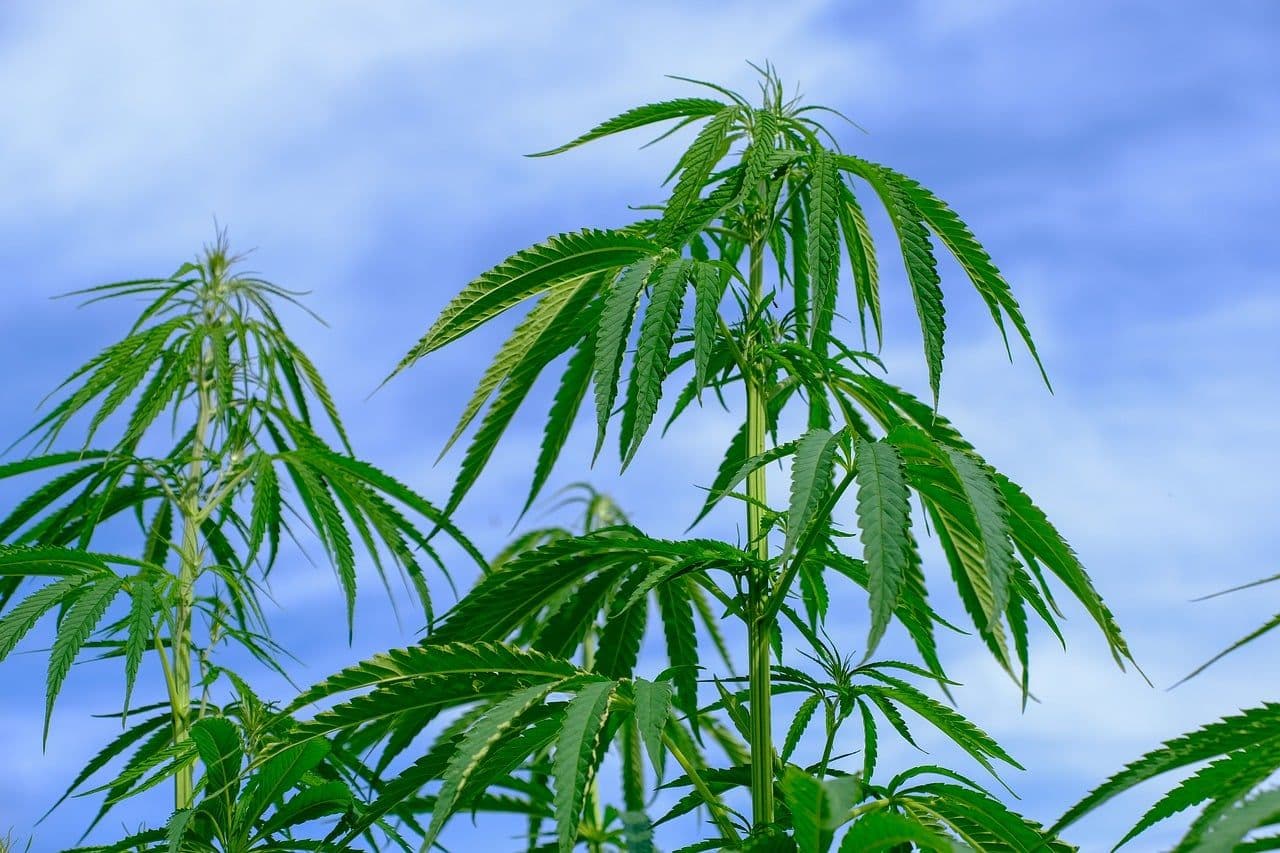
On 23 February 2019, Peru’s new cannabis law became official. Law N° 30681 legalizes the medicinal and therapeutic use of cannabis and its derivatives.
On 23 February 2019, Peru’s new cannabis law became official. Law N° 30681 legalizes the medicinal and therapeutic use of cannabis and its derivatives.
In this way, Peru is at the forefront in the legalization of cannabis in Latin America, mainly for medicinal use; which was led by Uruguay. It is set to become a major player in the region’s cannabis market.
Peru’s new cannabis law has great economic potential. Each hectare of cannabis crops generates sales of USD$1 million, while the investment for each hectare is USD$120,000. Furthermore, it is estimated 250,000 formal jobs will be created in direct and indirect work.
This would generate a great deal of revenue through tax collection, contributing approximately USD$500 million annually in taxes. In effect, Peru’s new cannabis law could be the shot in the arm that the country needs to continue its development.
The details of Peru’s new cannabis law

This regulation includes the cultivation and manufacture of psychoactive cannabis (containing 1% or more of tetrahydrocannabinol, or THC) and non-psychoactive cannabis (cannabidiol, or CBD). The decree specifically identifies that non-psychoactive cannabis and its derivatives are not controlled substances. This means individuals and businesses don’t require licenses in order to research, produce, import or commercialize non-psychoactive cannabis.
The Ministry of Internal Affairs (MININTER – Ministerio del Interior) requests that non-psychoactive cannabis be incorporated into the same control and traceability guidelines as psychoactive cannabis. The argument for this is that THC would be better-regulated. Peru is still expecting a consensus on this among all the public entities involved.
Peru’s new cannabis law covers guidelines and procedures for research, farming and production limits, as well as importation and commercialization of cannabis.
Getting a cannabis license
With Peru’s new cannabis law, the government established three licenses for entities to obtain in order to produce cannabis:
- Scientific research license: this license enables universities to undertake agricultural, health, and other scientific research. The entity in charge is the National Institute of Agricultural Innovation – INIA which is part of the Ministry of Agriculture and Irrigation.
- Wholesale import and commercialization: this is available to registered pharmaceutical companies. The entity in charge is the Dirección General de Medicamentos, Insumos y Drogas – DIGEMID, part of the Ministry of Health.
Note: Further compliance standards under Good Manufacturing Practices or Good Distribution Practices may be applied. Sales are only for registered patients and delivery or online sales are not allowed.
- Production license: this is exclusively given to public institutions and registered and certified pharmaceutical laboratories. The entity in charge is DIGEMID.
Several government agencies of the Ministry of Health and the Ministry of Agriculture are in charge of implementing Peru’s new cannabis law and issuing these licenses.
Further developments
Although the law and its regulation have been put in place, businesses are still waiting to get the whole implementation process approved by the relevant government authorities as other Latin American countries are doing to become a leading supplier of the world’s cannabis market.
Unfortunately, there isn’t yet a definitive wait time for processing licenses because the entities involved are still agreeing and each one depends on the other.
Ideal conditions for production

Peru offers prime conditions for growing cannabis. The country’s diverse climate offers more favorable natural conditions in various regions, compared to those in the Northern Hemisphere.
Peru has a comparative advantage to become an important producer of medical cannabis due to its great diversity of altitudinal zones and weather conditions. Peru doesn’t have as strong a winter as the Northern Hemisphere in relation to the production activity in Canada and United States, which starts in April and harvests in September.
Some areas of Peru would allow up to 5 harvests per year which would guarantee greater annual production. In addition, Peru has low-cost labor that enables businesses to start off with ideal, cost-effective conditions to compete in cannabis production. The birth of this sector provides a noticeable opportunity to generate income while creating a responsible industry.
Local cannabis market
Peru’s new cannabis law notes the following:

- Establishments registered and authorized before DIGEMID are allowed to sell cannabis and its derivatives
- People seeking access to products must register in the DIGEMID’s website
- Sales cannabis for medicinal purposes will be given only under prescription
- The prescription will be the responsibility of licensed physicians, giving a medical prescription for products that contain CBD and a special prescription for those that contain THC.
Note: The recreational use of cannabis and its derivatives are not permitted in Peru.
We know that a number of companies are currently moving into the cannabis market. One of them is the Canadian company Canopy Growth which had already announced its entry into the country to educate the market. Sales and distribution operations will follow shortly. Its subsidiary in Peru is named Spectrum Cannabis Perú.
Peru’s new cannabis law on the international stage
While local cannabis cultivation will help around 10,000 patients in Peru, there’s now potential for an export capability too. Heavy international demand for cannabis and derivative products from countries such as Canada and the United States offer great opportunity for Peruvian cannabis exporters, according to Tony Salas, President of the agribusiness consultancy ACM.
Like several of its Latin American counterparts, Peru has enormous potential to become a top exporter of cannabis in the near future.
Contact us to get started with Peru’s new cannabis law
As Peru peels back its legislation around cannabis, entrepreneurs and businesses will be empowered to enter the market and claim a share of what promises to be a booming industry. At Biz Latin Hub, our local and expatriate team in can help businesses understand Peru’s new cannabis law.
With our range of market entry and back-office services, we can provide legal services and help investors meet all corporate requirements for setting up in Peru. Contact us now for more information and guidance for your business venture.
Learn more about our team and expert authors.

Share this guide


Let’s talk about your expansion
Tell us which markets you’re entering and what you need handled. A local specialist will map out your options — no obligation.
Trusted by teams expanding across Latin America and the Caribbean
