Expanding Internationally into Latin America: How Your Business Can Do It
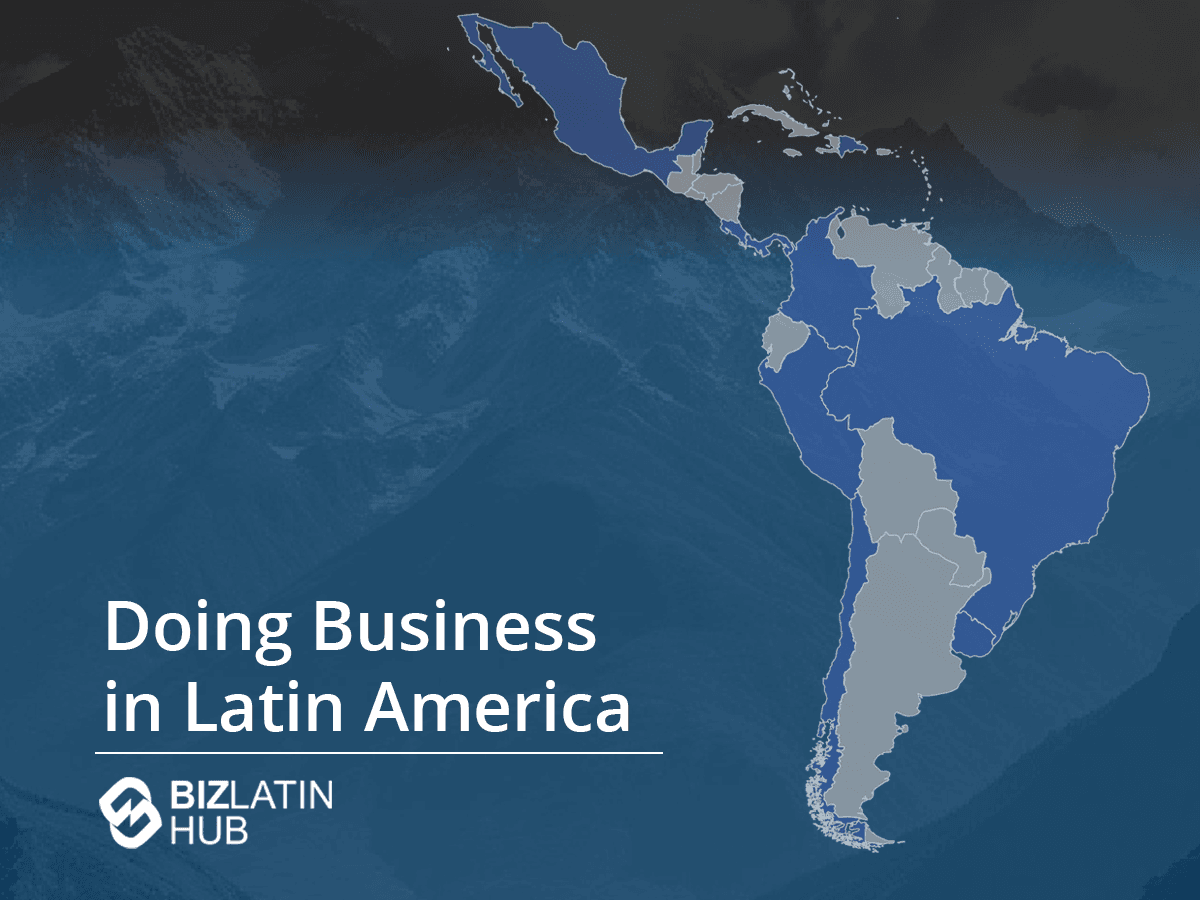
With global markets more interconnected than ever, businesses are increasingly looking beyond borders for new avenues of growth, cost optimization, and supply chain resilience.
With global markets more interconnected than ever, businesses are increasingly looking beyond borders for new avenues of growth, cost optimization, and supply chain resilience. For U.S.-based firms, expanding internationally into Latin America stands out as a strategic choice for international expansion, offering geographical proximity, trade advantages, and a burgeoning talent pool.
Nearshoring to Latin America provides logistical ease and economic efficiency, making it an ideal region to expand operations and access skilled talent while tapping into vibrant consumer markets. Especially for companies based in the USA, expanding internationally and setting up a business in Latin America makes perfect sense.
This guide explores the economic drivers of Latin America’s growth and outlines the strategic steps to expanding internationally and establishing a successful presence in this dynamic region. From navigating local regulations to building sustainable partnerships, here’s what you need to know to seize opportunities in Latin America.
Expanding Internationally Into Latin America: A Growing Market

Latin America is quickly becoming a hotspot for international expansion, offering a unique combination of opportunity, growth potential, and strategic benefits. In the past five years, foreign direct investment (FDI) has surged, with sectors like tech, manufacturing, and e-commerce driving regional growth.
For example, Mexico saw a 12% increase in FDI in 2022—the highest in seven years—as U.S. businesses leveraged Latin America’s strategic location and skilled workforce for nearshoring.
As more companies aim to stabilize supply chains closer to the U.S., Latin America’s regional advantages continue to attract global investors. Platforms like the ConnectaVerse connect businesses with vetted local service providers, offering a seamless entry into Latin American markets.
Key Economic Trends in Latin America
Transformative trends are shaping Latin America’s economy, particularly in tech and e-commerce, driven by increased internet access and a digital-ready workforce. Brazil’s investments in digital infrastructure meet growing demand, while Colombia and Peru attract foreign manufacturers through tax-incentive free trade zones. These factors make Latin America ideal for companies expanding internationally with cost-efficiency.
Strategic Opportunities in Latin America
For companies seeking competitive advantages, Latin America offers more than cost savings. Strong trade agreements, a skilled workforce, and high local demand make the region attractive for growth in fintech, renewable energy, and manufacturing. With governments prioritizing foreign investment, now is an opportune time to include Latin America in your international expansion strategy.
Pros and Cons of Expanding Internationally
Expanding internationally into Latin America offers unique benefits alongside specific challenges. Here’s a quick overview:
Advantages of Expanding to Latin America

- Strategic Location & Time Zone Benefits: Proximity to North America enhances logistics and minimizes time zone differences, easing U.S.-based operations.
- Skilled Workforce at Competitive Costs: Latin America’s talent pool in fields like tech and customer service offers cost-effective scaling, with labor costs often 30-50% lower than in the U.S.
- Growing Consumer Market: Rising middle-class incomes and demand in sectors like e-commerce open revenue opportunities, especially in Brazil and Mexico.
- Government Incentives & Trade Agreements: Free trade zones, tax benefits, and agreements like the Pacific Alliance facilitate entry and support expansion.
Challenges of Entering Latin American Markets
- Complex Regulatory Environment: Diverse compliance rules and bureaucracy make local legal guidance essential for labor, tax, and business regulations.
- Economic & Political Volatility: Political and economic shifts can impact stability and currency values, highlighting the need for working with well-connected local partners
- Cultural & Language Barriers: Adapting to language and culture is crucial. While English proficiency is growing, bilingual staff who know the local business culture and/or translation services are beneficial.
- Infrastructure & Logistics Limitations: Infrastructure gaps in some areas may hinder supply chains; reliable local logistics partners can help.
5 Key Steps for Expanding Internationally
Successful international expansion demands strategic planning, local insights, and a clear roadmap. Keep these five steps front and center as you expand your business internationally:
1. Conduct Market Research and Navigate Local Regulations
Begin with in-depth research on market demand, competition, and consumer preferences in your target country. Latin American markets are distinct, and understanding local nuances is critical. Familiarize yourself with tax, import/export, and registration laws to ensure compliance. Local experts can help prevent regulatory setbacks.
2. Choose an Entry Strategy and Set Up Your Company Abroad
Your choice of entry strategy—subsidiary, joint venture, or partnership—defines your operational framework. Joint ventures and partnerships ease entry by leveraging local expertise. Platforms like the ConnectaVerse and Biz Latin Hub offer setup support, connecting businesses with experienced local partners for a smooth setup process when expanding internationally.
3. Establish HR and Payroll Infrastructure
Implementing a local HR and payroll system is vital for compliance and effective talent management. Labor laws vary across Latin America, influencing employee benefits, tax withholding, and termination procedures. Partnering with Professional Employer Organizations (PEOs) can simplify payroll and compliance management, especially when onboarding employees without a dedicated HR function. This also allows your compensation strategies to align with local standards.
4. Ensure Ongoing Compliance with Local Laws
The regulatory landscape in Latin America is dynamic, with frequent updates to tax, labor, and industry-specific laws. Staying compliant involves regularly updating company practices and consulting local legal or compliance experts. This proactive approach reinforces trust with government authorities and local stakeholders alike.
5. Build Strong Local Partnerships and Focus on Sustainable Growth
Building relationships with local vendors, distributors, and government entities is essential for long-term success. These partnerships provide market insights, streamline operations, and create opportunities for collaboration.
Sustainable growth in Latin America involves continuously adapting strategies to evolving market trends. By prioritizing partnerships and refining your approach, your business can achieve lasting impact in the region.
Checklist for expanding internationally
Expanding internationally and setting up a business in Latin America involves multiple stages. This comprehensive checklist ensures you cover each phase and build a solid foundation:

- Pre-Expansion ResearchAssess demand, competition, and growth potentialEvaluate competitors’ strengths and strategiesSegment target customers and adapt to cultural norms Gauge political and economic stability
- Legal and Regulatory ComplianceRegister with local authorities and obtain permitsSet up tax compliance and understand labor laws Work with a compliance provider to stay updated
- Financial PreparationOpen local bank accounts for payrollEstablish accounting aligned with local standards Secure funding if needed and budget for setup costs
- Operational SetupSelect optimal structure (e.g., subsidiary, joint venture)Set up local offices or facilities; recruit trained staff Develop reliable logistics and supply chain plans
- Marketing and Sales StrategyTailor campaigns to Latin American marketsAdapt branding to align with local values Build an online presence on region-specific channels
- Ongoing Management and ImprovementRegularly review strategies and adapt to trendsStrengthen relationships with partners and stakeholders Continuously optimize operations and invest in development
Biz Latin Hub or Connectaverse can help with expanding internationally in Latin America
Latin America offers businesses a unique gateway to emerging markets, skilled talent, and a rapidly expanding consumer base. With a targeted international expansion strategy and strong local partnerships, companies can unlock new revenue and drive sustainable growth in this diverse region.
By collaborating with trusted partners like the ConnectaVerse and Biz Latin Hub, your business can tackle regulatory hurdles, streamline operations, and secure a powerful foothold in the Latin American market.
The opportunities are here, the timing is perfect—what are you waiting for? Dive in and make your mark in one of the world’s fastest-growing regions!

