Company Formation
How To Import Wine Into Mexico: An Overview
Published dateMay 16, 2019
Last updateAugust 19, 2023
Reading time7 minutes
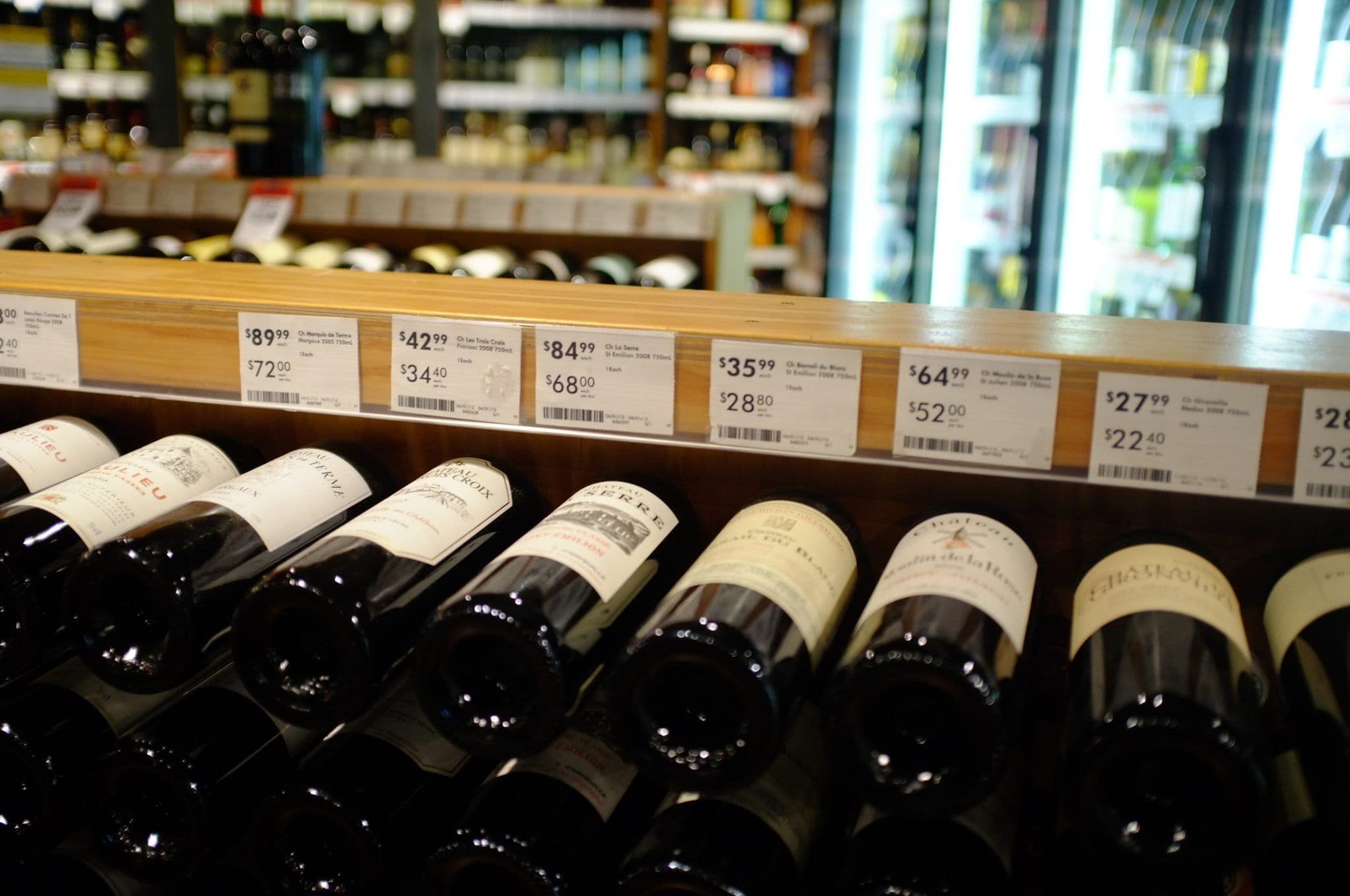
Mexico is a Latin American economy rife with business opportunities for trade. A huge consumer market with a growing middle class means Mexican citizens are buying more. Traditionally, tequila and beer have been Mexico’s beverages of choice.
Mexico is a Latin American economy rife with business opportunities for trade. A huge consumer market with a growing middle class means Mexican citizens are buying more. Traditionally, tequila and beer have been Mexico’s beverages of choice. However, wine is growing in popularity within the alcoholic beverage market. Considering that no country has more free trade agreements than Mexico, now is a great time for winemakers to consider expanding their distributions internationally. Here’s how to import wine into Mexico.
International Trade Mexico Lawyer – How to create a business plan?

Before beginning the import process, it’s important you have a business plan. You need to complete solid market research and seek out distributors, retailers and marketing channels. Or will you take on the role of importing and distributing yourself? Incorporating a company in Mexico can give you more control and insight over the process.
Next, identify your target market and how you extend your product to them. Mexico is a very large country geographically, and the demographics vary greatly. Know where your target market is based and avoid positioning your product where a market doesn’t exist. Define your value proposition carefully. Why should customers choose your wine over other those from other countries and from other varietals?
You should also consider consumer tastes in advertising and shopping preferences. Familiarize yourself with the business culture and get some helpful tips for doing business successfully in Mexico.
Before you begin importing wine
1. Registration with local authorities
- Register with ‘Registro Federal de Contribuyentes‘: This is the taxpayer’s register in Mexico. This service is free and you register online through SAT (Servicio de Administración Tributaria).
- Register with ‘Padron de Importadores’: In order to start the import process in Mexico, you must register with the Official Register of Importers (‘Padron de Importadores’). This is the official list of business authorised to import goods into Mexico and means the importer is also registered with SAT (Servicio de Administración Tributaria), the Mexican tax authority. This means you’ll need to be a registered taxpayer (and have paid all tax obligations) and meet any other applicable foreign trade requirements set out by Customs Law and SAT.
The import process into Mexico
2. Define HS code
Mexico uses the Harmonised System Tariff (HS code) as the classification system to classify import and export products. The eight-digit code determines import conditions such as tariffs. You need to define your HS code for all items you plan to import.
The starting four digits for grape wine are 2204. Codes differ by a product’s composition and use. The last two digits are assigned to each country.
3. Declare the value of your goods
Before importing, you must submit a written manifest to your chosen customs broker, detailing the value of your goods to be imported. This is for customs purposes. You need to keep a copy of this manifest. You also need to obtain information and documents to prove that the value you declared was determined in accordance with the provisions of Customs Law.

4. Provide the right documents
The import document (Pedimento de importación) is key to the paperwork of the import process. The official piece of documentation is required for all imported and exported goods and must be filled out by a Mexican customs agent. Subsequently, it must be approved by the Secretaría de Hacienda y Crédito Público. The import document ultimately confirms the legal importation of the merchandise.
The import document must be accompanied by the following documentation:
- Commercial Invoice: This invoice includes place, and date of issue, name, and address of the final destination, detailed commercial description, name and address of the seller
- Certificate of Origin: Identify the origin of the foods. Goods arriving in Mexico from North America must be accompanied by a NAFTA Certificate of Origin. Equally, goods arriving from countries in the European Union must be accompanied by a EUR.1 Certificate of Origin.
- Packing List: A list specifying contents of the shipment including the number of units, dimensions, serial numbers, parts and brand information.
- Weight and Volume Certificate
- Bill of Lading: a document issued by a carrier to acknowledge the receipt of a shipment of goods. It serves as a document of title and the supplied will send it to the carrier once paid for the goods.
5. Additional documentation
- Export Approval Certificate: shows that the wine has been authorised to be exported to Mexico.
- Free Trade Agreements: if your product is eligible for a common external tariff to produce a certificate of origin can help you access the benefits of a free trade agreement with the exporting country. Countries part of the CPTPP can access zero tariffs for certain wine products.
- Certificate of Analysis and Sanitary Registry: the Mexican government requires that all brands conform with quality and health standards. documentation is required from the exporting country and wine producer.
- Organic wines should have an International Phytosanitary Certificate (Certificado Fitosanitario Internacional (CFI)) certifying that pesticides or added chemicals have not been used
6. Clear customs
Your goods will then be sent to through a customs clearance (Despacho Aduanero). Once cleared you must consider your options for distribution in Mexico.
After your wine has been imported into Mexico
7. Find storage solutions
Wine requires specialised warehouse requirements and can be negatively affected by extreme temperatures or poor handling. Make sure your distributors adequately store your wine to preserves its quality.
8. Find distributors
Distributors take on the role of selling wine to retailers and restaurants. Take the time to source the right distributor that is well connected within the wine industry and has quality contacts. It will make all the difference for your wine. Demonstrated wine knowledge and developed sales skills will push your wine into the best positions to reach your target market.

9. Find retailers
- Stores
Your wine could end up on the shelves of a small wine boutique, or large, bulk-buying Costco. Department stores are also common in Mexico, with high-end stores selling premium alcohol brands and fine wines. The type of retailer you should approach depends on your wine’s market positioning. You can also benefit from online stores that these retailers operate. Different stores offer different opportunities and challenges, such as personal assistance and promotions.
- Restaurants
Your wine could also be sold to restaurants to appear on wine lists. Although the most expensive way to buy wine, skilled waitstaff and sommeliers can market your wine in a personal way that traditional retailers can’t. Food and wine matching is also another way to market your wine in restaurants. You have the option to sell by the bottle only, or by the glass as well.
- Hotels
Hotels with fine dining restaurants and bars also seek reputable wines for their wine lists. What’s more, large hotels such as JW Marriott Hotels and the Sheraton have started wine clubs, sending out shipments to clients quarterly. Hyatt Hotels & Resorts have even teamed up with a distributor to create their own branded wine for their restaurants. Hotels are retailers that provide a whole wealth of opportunities for distributors.
10. Market your wine
Get your wine brand out there. Enter trade shows and competitions. Being able to sell your wine with an accolade or award will help it stand out on the shelf. Social media is now a standard platform used to promote products. Innovative advertising and branding are essential in today’s digital world.
Reach out to end consumers as well as restaurants and hotels looking for new products. Encourage your distributors to engage in tasting sessions.
Are you interested in importing wine or another product?
Many exporters make the mistake of taking on the responsibility for the entire shipping process, often resulting in the incorrect documentation. As can be seen above, there is an extensive process that needs to be performed before you can get your wine into the country. These requirements make the need for a Mexican trade lawyer that much more vital.
Biz Latin Hub you with not only services from our trade lawyers, but also accounting and taxation services, company formation and commercial representation. Get in touch with our Mexico country office here today to find out how we can further assist you with the import process.

Share this guide

Let’s talk about your expansion
Tell us which markets you’re entering and what you need handled. A local specialist will map out your options — no obligation.
Trusted by teams expanding across Latin America and the Caribbean
